
Lowering the Average Temperature


Formentera, May 11, 2025
The project, driven by Nature & People Foundation in collaboration with Baleària, proposes reforesting the island and restoring its biodiversity to cool its average temperature by up to three degrees.
According to the report presented, Formentera has limited tree coverage, especially in urban areas. This reduces the island’s natural cooling capacity and worsens the effects of heat, drought, and ecosystem loss. Compared to its neighboring Balearic Islands, Formentera suffers from a significant vegetation deficit, which impacts both quality of life and environmental sustainability.
The initiative includes an annual investment of 20 million euros, with the goal of planting 475,000 trees and 6,000 native shrubs, as well as restoring traditional crops in different areas and environments across the island.
The project has been well received by the island’s local government, but it has also raised calls from many residents who are asking to fully understand the initiative before it moves forward, due to concerns about carrying out such an intervention on a territory as fragile as Formentera.


The project’s preliminary assessment revealed that the island has less than 10% tree cover in urban zones and has lost 58% of its primary vegetation overall. Additionally, the abandonment of traditional farming has led to a loss of landscape diversity and its characteristic beauty, thereby reducing its appeal for sustainable tourism.
The proposal can be summed up in one clear idea: to recover what has been lost. Planting 475,000 trees and 6,000 native shrubs will not only lower temperatures but will also revive ecosystems and traditional agricultural practices. Fig trees, junipers, almond trees, carob trees, and vines are some of the selected species.
This action would also help create a more attractive and healthier mosaic landscape, improving the quality of life for both residents and visitors. The plan aims to intervene in urban, agricultural, and forested areas alike, with a comprehensive approach.


To finance the project, a system of urban biodiversity credits will be launched. This model will allow companies to invest—financially or in kind—in renaturalization efforts. In return, they will gain access to benefits such as tax exemptions, discounts on tourism services, or public recognition for their environmental contribution.
This system positions Formentera as a global laboratory to test new forms of economic sustainability, where biodiversity generates shared value among businesses, society, and the land.
Despite institutional enthusiasm, many local voices have raised concerns about the feasibility of ‘Living Formentera’. On social media, some residents have voiced specific worries that could compromise the project’s success.
One of the most common fears is the lack of water. On an island with very low rainfall and high pressure on water resources, it’s unclear how hundreds of thousands of new trees and shrubs will be kept alive. The scarcity of irrigation water raises technical doubts that are hard to ignore.
Another challenge is the massive presence of wood pigeons, which have proliferated on the island over the past decade. This naturally arrived species feeds on seeds, fruits, and tender shoots, potentially hindering the growth of new plantings unless a protection strategy is put in place.
Likewise, people have not forgotten that the arrival of snakes on the island in recent years was caused by importing olive trees from mainland Spain to decorate private gardens—an action that has seriously harmed several native species, including Formentera’s iconic lizards (Podarcis pityusensis).
There is also concern about the potential health risks of introducing trees not grown on Formentera. Locals recall the forest repopulation in Es Cap de Barbaria, where pine trees brought from outside unintentionally introduced the pine processionary caterpillar, a pest that still affects large areas of the island and is now considered impossible to fully eradicate.
These voices are not necessarily opposed to the Living Formentera project, but they do demand greater clarity, local participation, and a realistic evaluation of Formentera’s specific challenges before undertaking an ecological transformation of this scale.
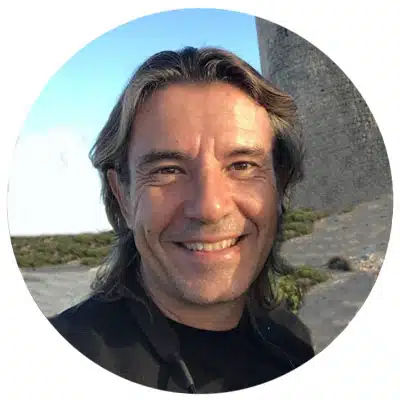
Soy Ramón Tur, quien está detrás de todo lo que se escribe y fotografía en esta web sobre Formentera.
Descubrí la isla en 1972 cuando mis padres, a bordo de la mítica Joven Dolores, me llevaron por primera vez a pasar unos días de vacaciones desde Ibiza y aquello fue un amor a primera vista que, con el paso del tiempo, se ha reforzado hasta convertir Formentera en mi lugar de residencia desde hace ya muchos años.
Si lo deseas, puedes seguirme en el perfil de Instagram @4mentera.com_




I’m Ramón Tur, the person behind everything written and photographed on this website about Formentera. I discovered the island in 1972 when my parents, aboard the mythical Joven Dolores, took me on vacation from Ibiza for the first time, and it was love at first sight that has only grown stronger over time, making Formentera my place of residence for many years now. If you wish, you can follow me on Instagram @4mentera.com_
If you're planning to visit Formentera, make sure to check out our discount codes section first.

Todos los derechos reservados Pitiusas Market, S.L.U.


