
Superyacht Attila


Formentera, July 1st, 2025
In the crystal-clear waters surrounding Formentera, summer not only brings tourists in search of sun and idyllic beaches, but also an intense flow of recreational boats, luxury yachts, and speedboats—mostly coming from Ibiza.
This constant back-and-forth makes the area one of the busiest in the Mediterranean, significantly increasing the risk of maritime incidents. The coastline of Formentera, with its sandbanks and shallow areas, is especially prone to groundings, mechanical failures, and other mishaps that often activate the maritime rescue protocols of the limited resources available in the Pityusic Islands.
Today, two incidents have highlighted just how delicate the situation is: on the one hand, the luxury superyacht Attila ran aground near es Pujols; on the other, smoke in the engine room of a German-flagged motorboat near s’Espalmador raised the alarm.
These types of incidents, increasingly frequent, underscore the importance of caution, respect for nautical regulations, and the technical training of the crews navigating these waters.


Last Tuesday, around 2:30 p.m., the imposing superyacht Attila ran aground in a shallow area near Es Pujols, more specifically on the shoal known as Sa Roqueta, just off Ses Canyes beach on the eastern coast of Formentera. The vessel, built in Italy in 2019 and valued at 70 million dollars, was navigating the area when, for reasons yet to be clarified, it became stuck.
Attila is 64 meters long, with five decks, a helipad, swimming pool, spa, and accommodation for 12 guests and 18 crew members. It is the largest vessel ever built by the Italian shipyard Sanlorenzo and has received international awards for its interior design. Powered by Caterpillar engines, it can reach speeds of up to 17 knots and cover 6,000 nautical miles without refueling.
Despite the scale of the incident, no immediate damage to the hull or the environment has been reported. However, it remains a delicate operation, as extracting a vessel of this size from shallow waters involves both structural and ecological risks.
One day after the incident in which it ran aground on a rocky area off Ses Canyes beach, the superyacht Attila managed to free itself by its own means. This happened following a request from the Maritime Authority for the owner to submit a refloating plan and for a hull inspection to be carried out to ensure its safety.
The yacht later moved to the Marina Ibiza port, on the neighbouring island, as requested by the Harbour Master. There, it will undergo an MOU inspection, a safety procedure that the Maritime Authority applies to foreign vessels.


That same day, a German-flagged motorboat suffered a mechanical failure while anchored in the s’Espalmador area. A dense column of black smoke began to pour out from the engine room, raising concern among nearby boats.
Several RIBs quickly approached to assist the crew, while the Palma Maritime Rescue Coordination Center deployed Salvamar Naos, ready to intervene if necessary. Fortunately, the crew managed to fix the issue before the situation escalated.
These types of incidents, increasingly common, highlight the need for caution, adherence to maritime regulations, and the technical competence of crews navigating these waters.
The Attila incident and the motorboat scare near s’Espalmador are reminders that even in picture-perfect settings, risks are always present. Vigilance, coordination, and respect for maritime laws are essential to prevent a day of sailing from turning into an environmental or safety issue.
And I’d like to add, on a personal note, that I would love it if boats anchored near the coast were strictly prohibited from blasting loud music, so they wouldn’t disturb those of us peacefully lying on the beach.
Few things irritate me more than a group of inconsiderate people on their boat, blasting music at full volume while anchored close to shore, with zero regard for the rest of us trying to enjoy the sea and some peace—something we simply can’t do because of the (usually) techno noise blaring from their speakers.
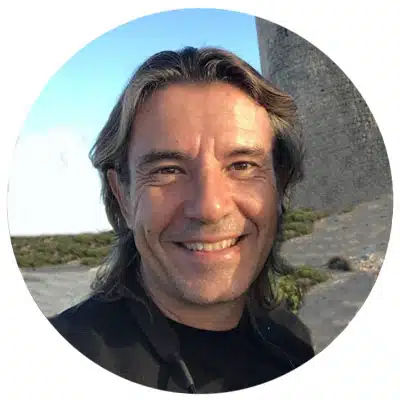
I’m Ramón Tur, the person behind everything written and photographed on this website about Formentera. I discovered the island in 1972 when my parents, aboard the mythical Joven Dolores, took me on vacation from Ibiza for the first time, and it was love at first sight that has only grown stronger over time, making Formentera my place of residence for many years now. If you wish, you can follow me on Instagram @4mentera.com_
If you're planning to visit Formentera, make sure to check out our discount codes section first.

Todos los derechos reservados Pitiusas Market, S.L.U.


